The real story
I started suffering with anxiety when I was around 12 or 13 years old. It became so crippling that I couldn't go to school for a month. I got through that period, and for a while things felt better.
Then, when I turned 15, I started vaping at school. In the toilets, at breaks, anywhere I could. At first it felt harmless. Something everyone was doing.
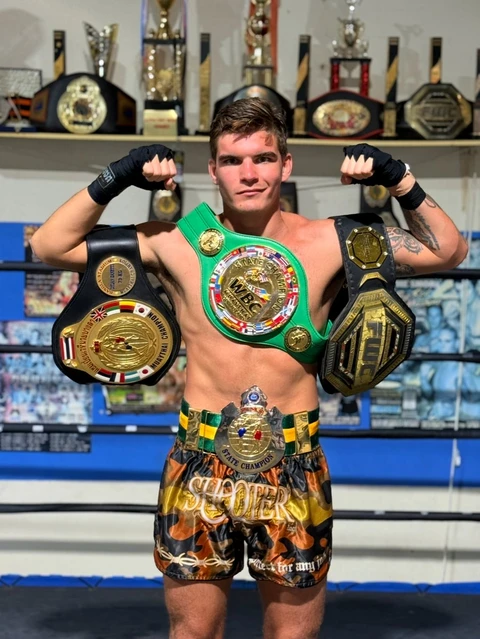
Then I signed up for a 10-week Muay Thai fight camp. Waking up every Monday to Saturday at 5am, training hard, and still vaping through all of it. Four weeks out from the fight I stopped, and honestly, it felt easy. It didn't even affect me then.
But as the years went on, things changed.
Around 17, every time I sparred I'd get head pressure and unbearable anxiety. I thought I had a concussion that would never go away. I even had an MRI on my head. It came back clear, but I was later told I had PCS — post-concussion syndrome. I felt permanently broken. I kept blaming Muay Thai, going on and off training for months, until the passion I once had started to fade. I eventually saw a therapist, was diagnosed with severe anxiety and was offered medication. I was scared and still trying to understand what was happening to me.
As time went on, I started feeling numb to everything. I kept vaping. I stopped caring about the anxiety, and then I stopped caring about much at all. One day I woke up, looked at myself and thought: What am I doing? I shouldn't feel numb. I should be feeling something.
I'd also grown up around addiction. My mum has ADD, struggles with mental health, and has her own addictions. Smoking, alcohol, medication. My auntie was addicted to ice. From age 5 to 13, her kids lived in our small three-bedroom house. I grew up around the chaos addiction causes in families. I've seen firsthand what it does to people, relationships, and entire households.
At home, my mum was struggling with addiction. Police were coming to our house once or twice a week, and I could see the impact it was having on my little sister. I knew that if no one else was going to change, I had to be the one who did — so I could be strong for her.
That was the turning point. I wanted to understand what I was feeling, quit vaping for good and build a different life, for myself and for her.
By 19, I didn't recognize myself anymore. I could see exactly where my life was heading if I didn't change. That's when I started using AI every single day during my recovery.
For over 5 months, I used ChatGPT like a personal support system. During cravings. Anxiety spirals. Overthinking. The nights I felt like giving up. It wasn't perfect, but for the first time, I felt understood. It reassured me I wasn't broken. It helped me understand what withdrawals were actually doing to my brain and nervous system. Slowly, it helped me rebuild myself.
That experience changed everything for me.
I realized millions of people are struggling alone, turning to addictions, numbing themselves, or being handed medication without ever truly understanding what's happening internally.
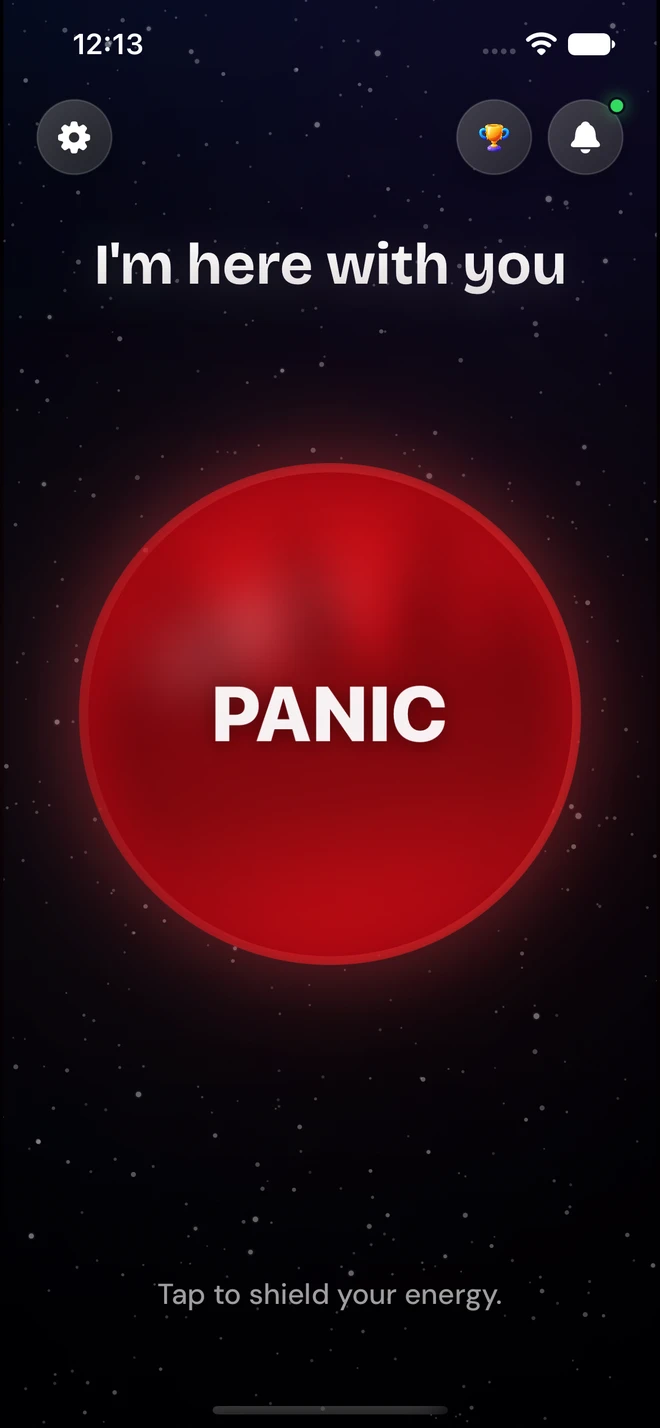
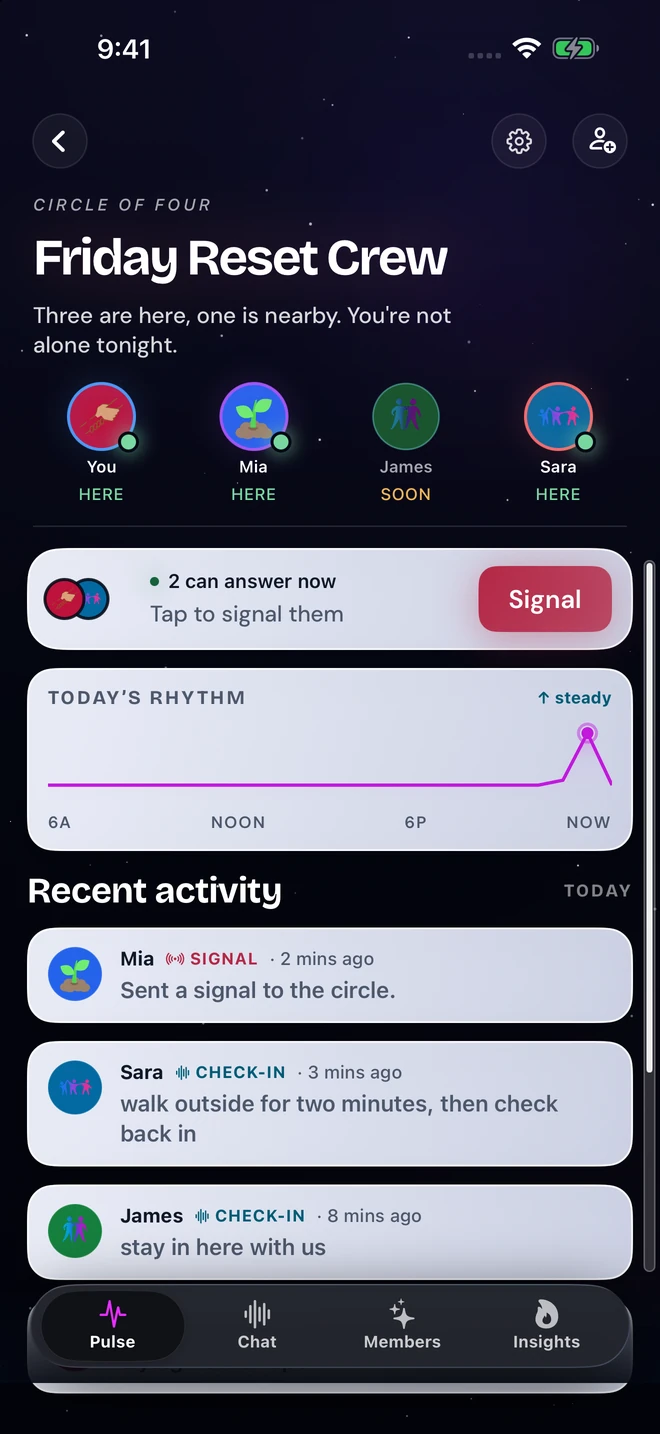
And that's why I'm building Ura.
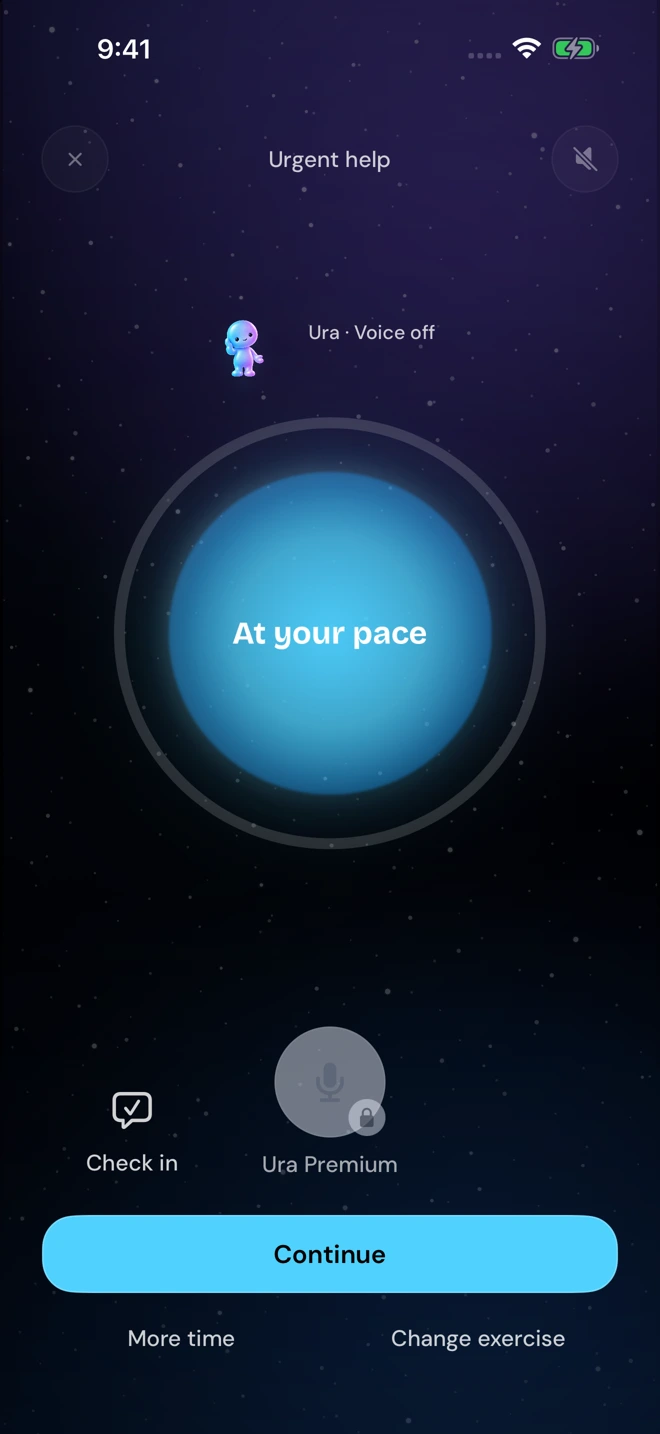
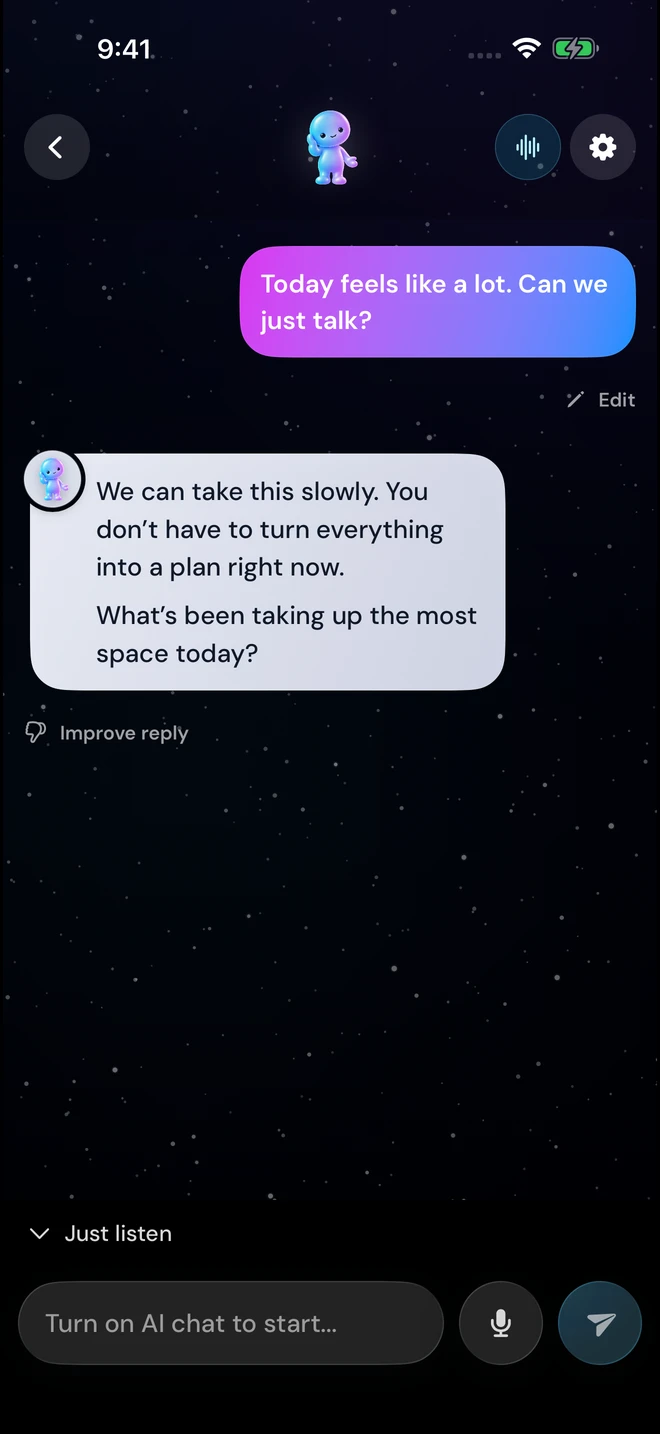
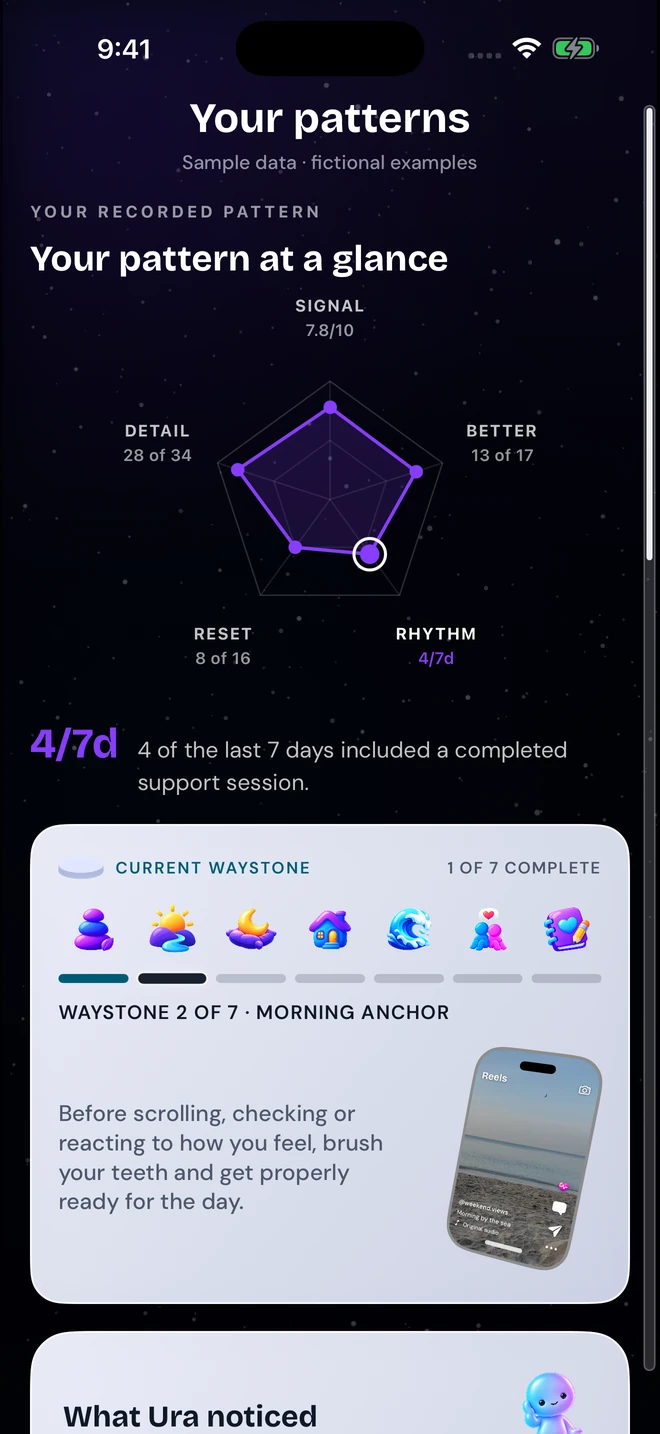
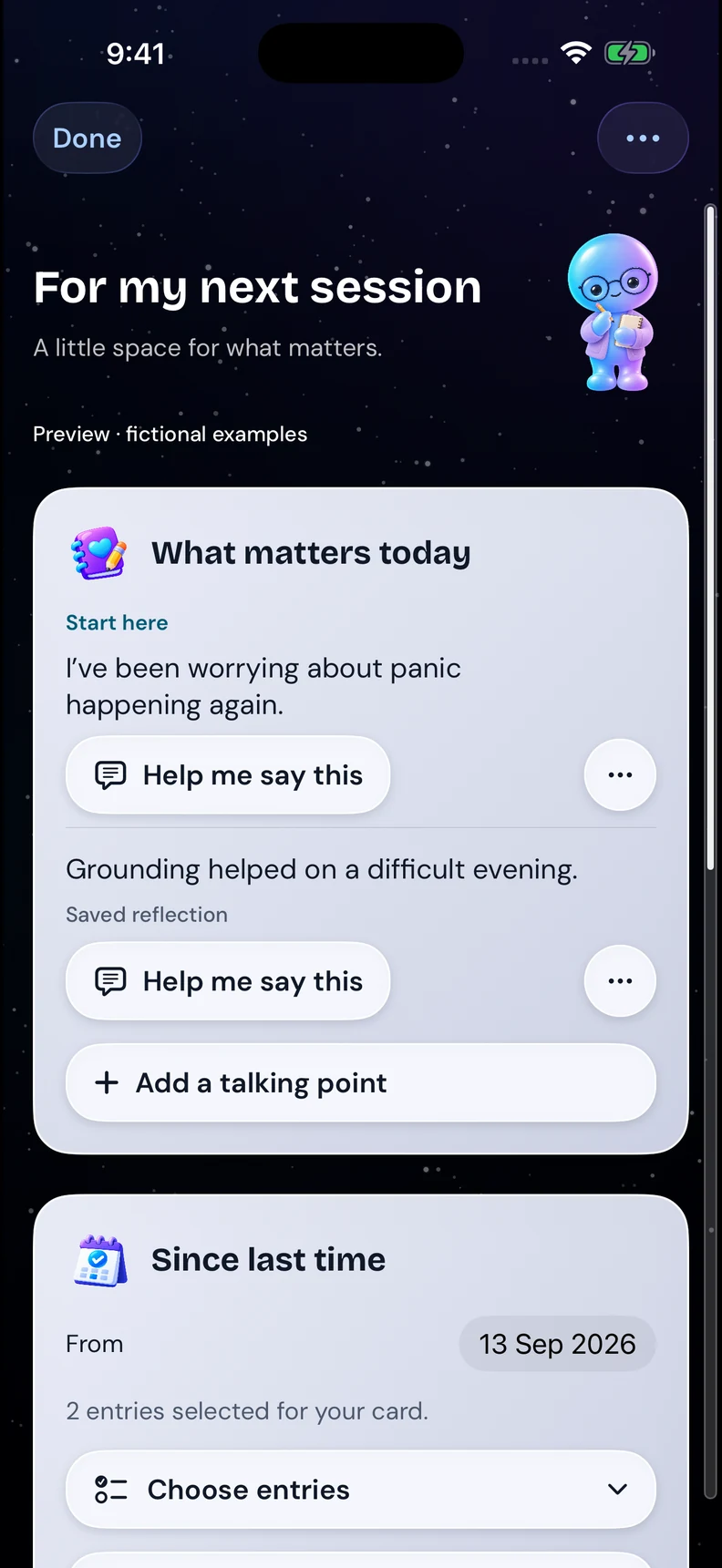
The AI inside Ura is built from the same approach that helped me quit successfully. Real conversations. Real recovery patterns. Real support during the moments people usually relapse. I wanted to create the support system I wish I had when I was struggling most.
Because nobody should have to fight addiction, anxiety, or destructive habits alone, or feel like prescription medication is their only option. People deserve real support, understanding, and hope in their pocket.













 Support that feels like you
 Memory you control
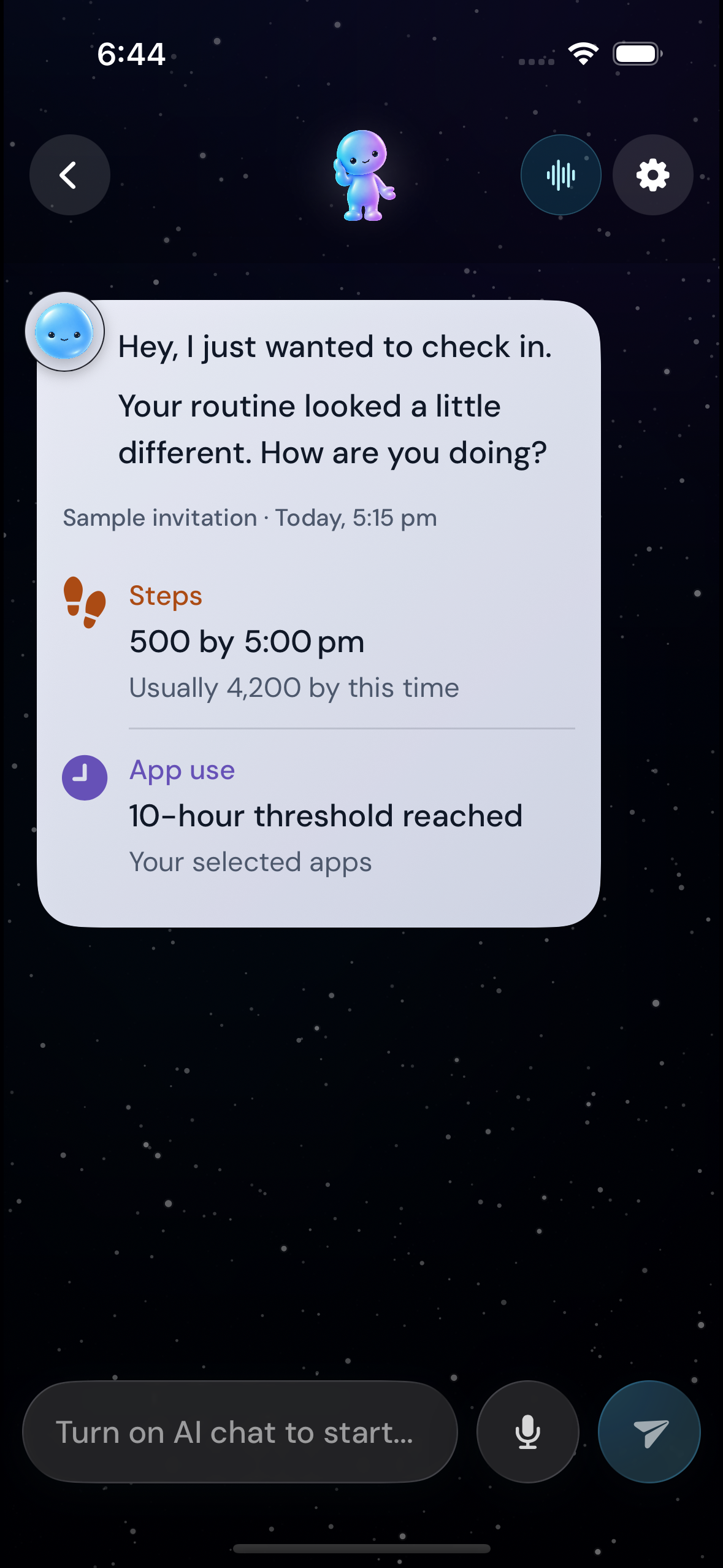
 A gentle check-in



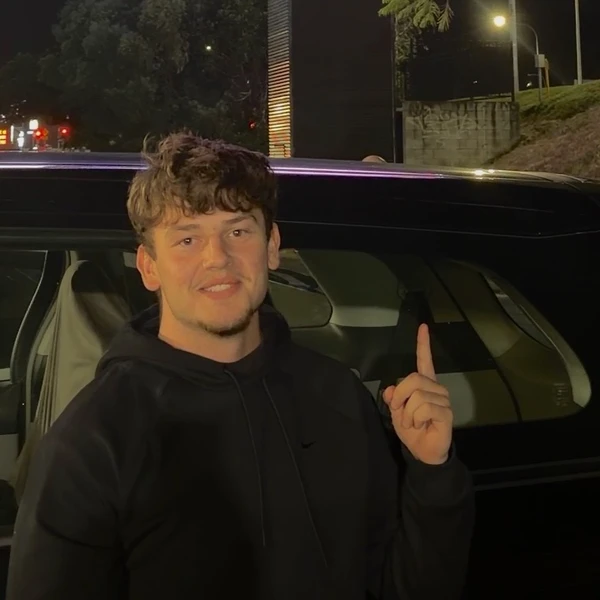

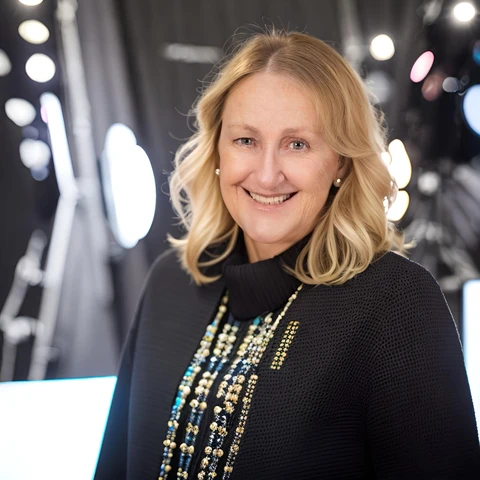

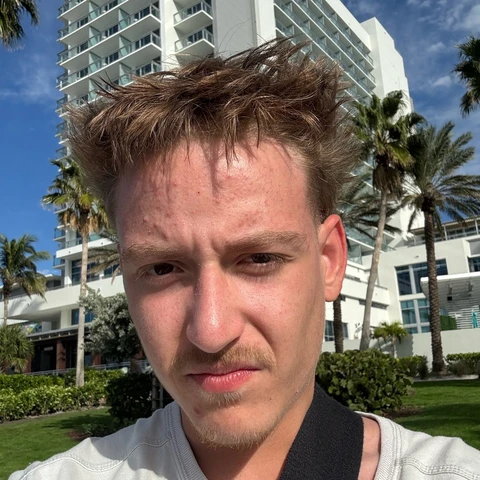
 @dylan_machete_zanetti


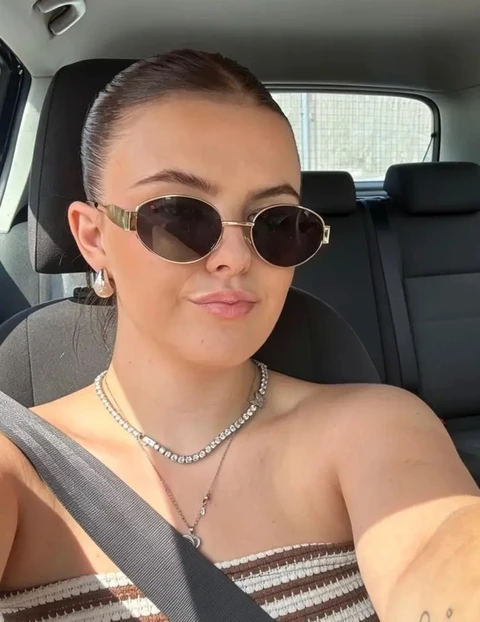
 @jods375
 The Pause
 Your Direction
 Another Perspective